
Dell Medical School’s Class of 2026 reflects a new kind of physician — shaped by lived experience, driven by purpose and keenly focused on a new vision for what it means to practice medicine.
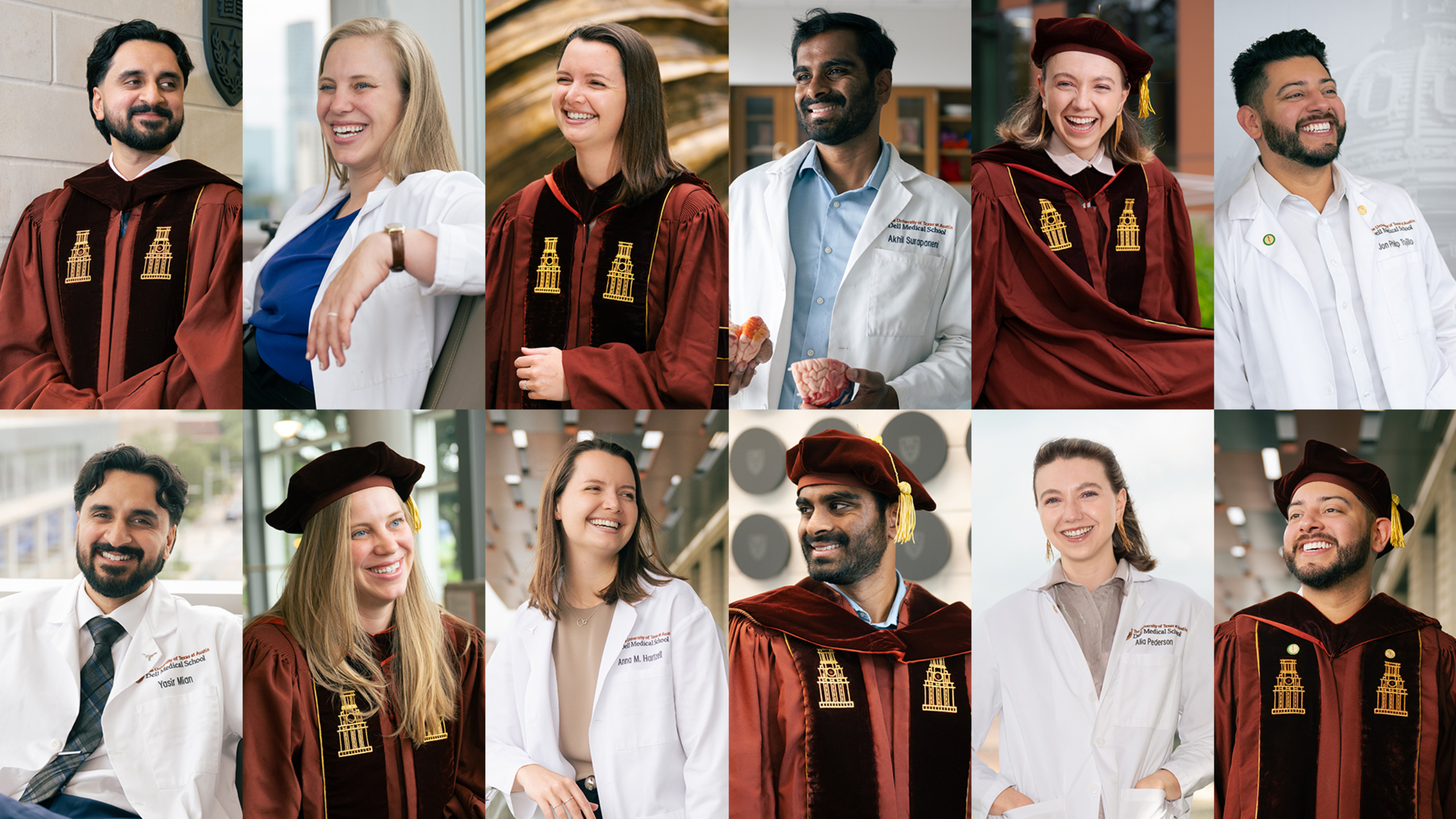
No two journeys to medicine look the same. Among Dell Med’s Class of 2026 alone, one student walked away from a career in finance after realizing it “looked right more than it felt right.” Another crafted his own M.D./Ph.D. pathway to pursue research at the intersection of neuroengineering and patient care. Others were shaped by military service, parenthood and experiences navigating care across languages and cultures.
What unites them is a shared belief that medicine is not a default path, but a deliberate choice — one grounded in purpose and centered on the people and communities they serve. In Austin, they trained in an environment designed to rethink care from the ground up and now move forward ready to lead that work.
“The Class of 2026 represents what is possible when purpose, curiosity and compassion come together in medical education,” said James R. Korndorffer, Jr., M.D., executive vice dean of education at Dell Medical School. “They have been challenged to think beyond individual encounters and improve care at the system level. We have watched them grow into physicians who lead with humility, think critically and remain deeply committed to the people they serve.”
This year, 40 Dell Med students matched into residency programs across the country, achieving a 100% match rate. Half will continue their training in Texas, including 10 at Dell Med, while others will join leading programs nationwide. Eleven students matched into primary care specialties, reinforcing a continued commitment to addressing critical workforce needs.
They take this next step at a time of significant momentum for health care in Austin: The recent announcement of the UT Dell Medical Center marks a major investment in a more connected, patient-centered model of care — one that brings together research, education and clinical innovation.
Some will help build that model here within a system still taking shape. Others will carry it forward, applying what they’ve learned to improve care for patients and communities wherever they go.
Meet six members of the Class of 2026 and discover the paths that brought them here.
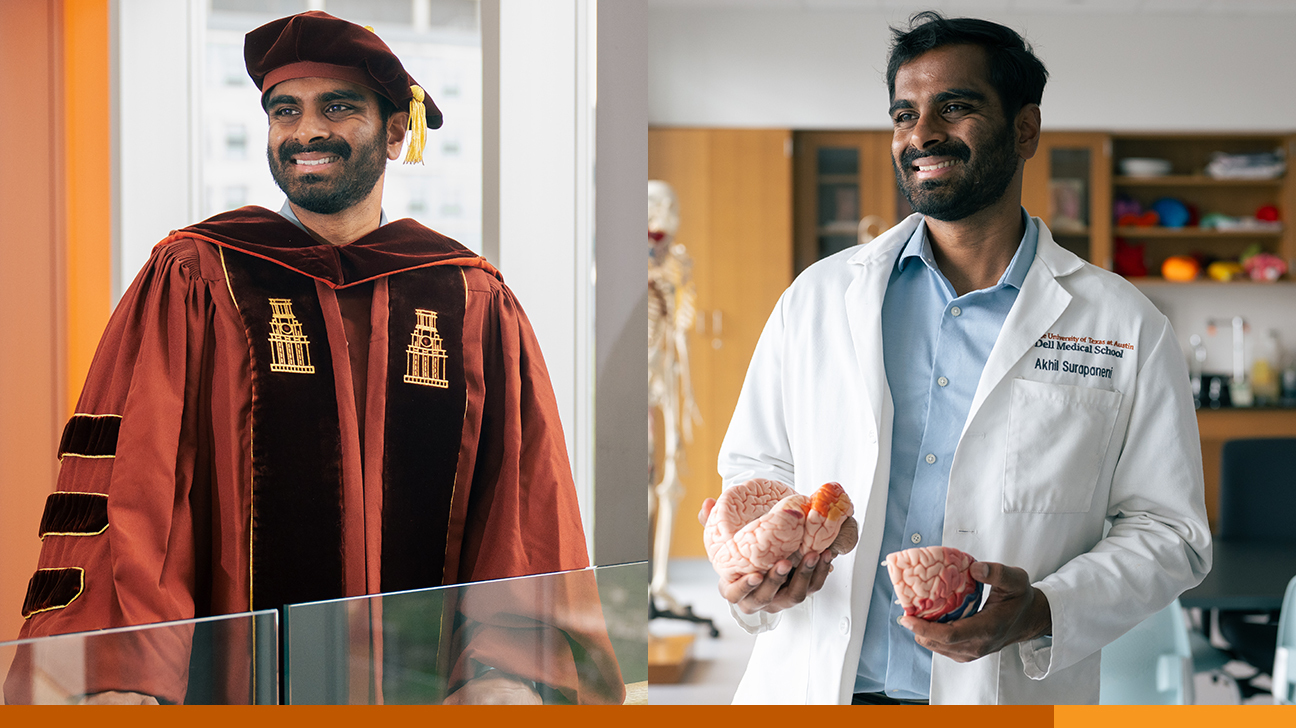
Akhil Surapaneni, M.D., Ph.D.
Hometown: San Jose, California
Match result: Neurology, UT Southwestern
What led you to create your own M.D./Ph.D. path, and how has that experience shaped how you think about the future of medicine?
My motivation to pursue an M.D./Ph.D. came from the research I was doing at the intersection of neuroengineering, neuroplasticity and brain tumors. My advisor at Dell Medical School and the Cockrell School of Engineering challenged me to think about how to build systems that can improve outcomes for patients with neurological disease and, along with my mentors, guided me through the process of discovery.
During my Ph.D. training, I learned the practical side of research — identifying meaningful problems, asking questions that can be answered and designing experiments to answer them — while developing skills in communication, project management and resilience.
At the same time, I saw how discovery and patient care inform each other. Patient needs and health care systems shape the questions we ask, while new discoveries change how diseases are treated and open new directions for future work.
This dual degree has shaped how I think about what’s possible for others. I hope it encourages future students to pursue their passion and shows that passion begets meaningful support and mentorship.
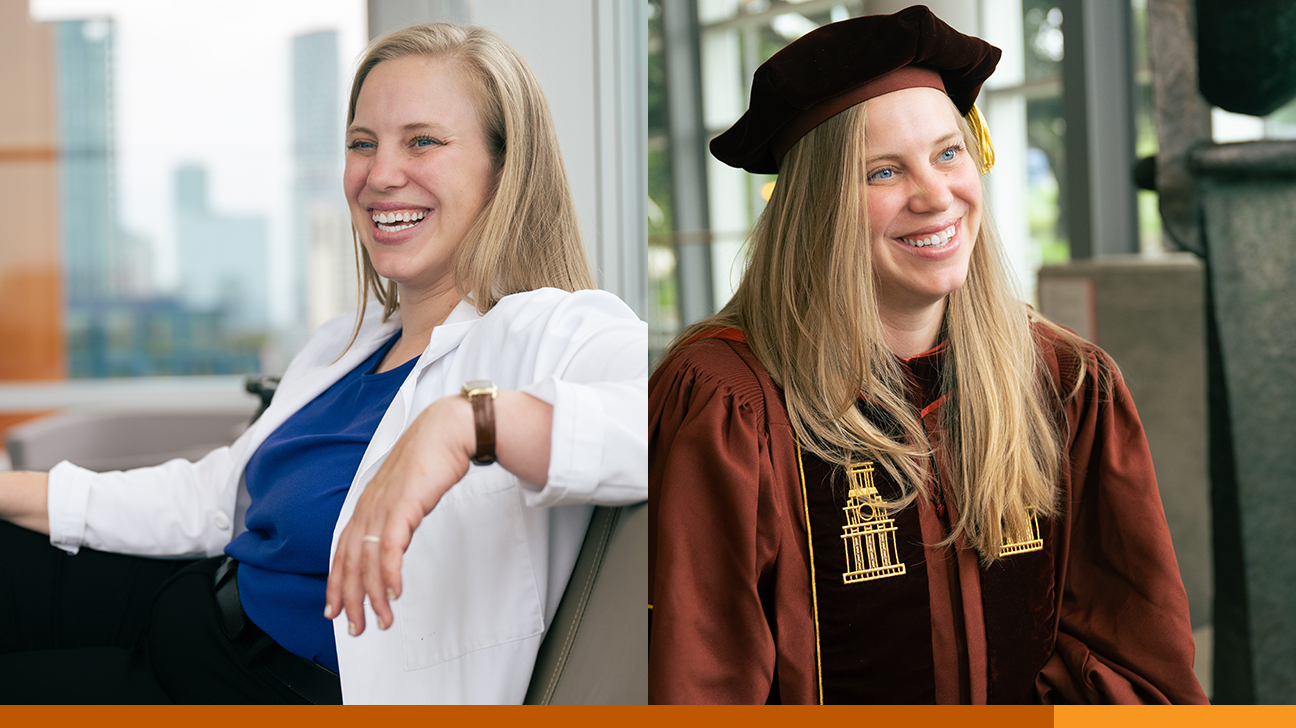
Katherine “KC” Koepp, M.D., M.A.
Hometown: Vienna, VA
Match result: General Surgery, Dell Medical School
How have your experiences from military service to parenthood shaped your path to general surgery and the way you approach patient care?
Serving as a Marine pilot and now as a parent to my three little guys has shaped who I am. Working with my crew to complete combat missions and guiding my children as they grow have given me the skills to solve complex problems with integrity, patience and leadership, impacting my approach medicine and patient care. I hope my patients can feel my deep sense of responsibility to, and care, for them.
As for general surgery, people tried to talk me out of it. They challenged the lifestyle and the responsibility. But I thrive at the point of friction. I feel as at home in the operating room as I do in the flight station. Procedures, checklists, working with a team and honing my craft are all skills that I am very familiar with.
How has your experience at Dell Med shaped your understanding of what patients and communities in Central Texas need most?
I learned not to make assumptions about what patients and communities in Central Texas need most. As medical students, we have the opportunity to work alongside community stakeholders to identify their challenges and determine appropriate solutions. I hope to carry forward that approach, listening closely at both the patient and community level.
With the recent investment from Michael and Susan Dell in UT Dell Medical Center, Austin’s mix of innovation and Texas heritage is extending into medicine and health care. I’m very excited to continue my medical education journey here.
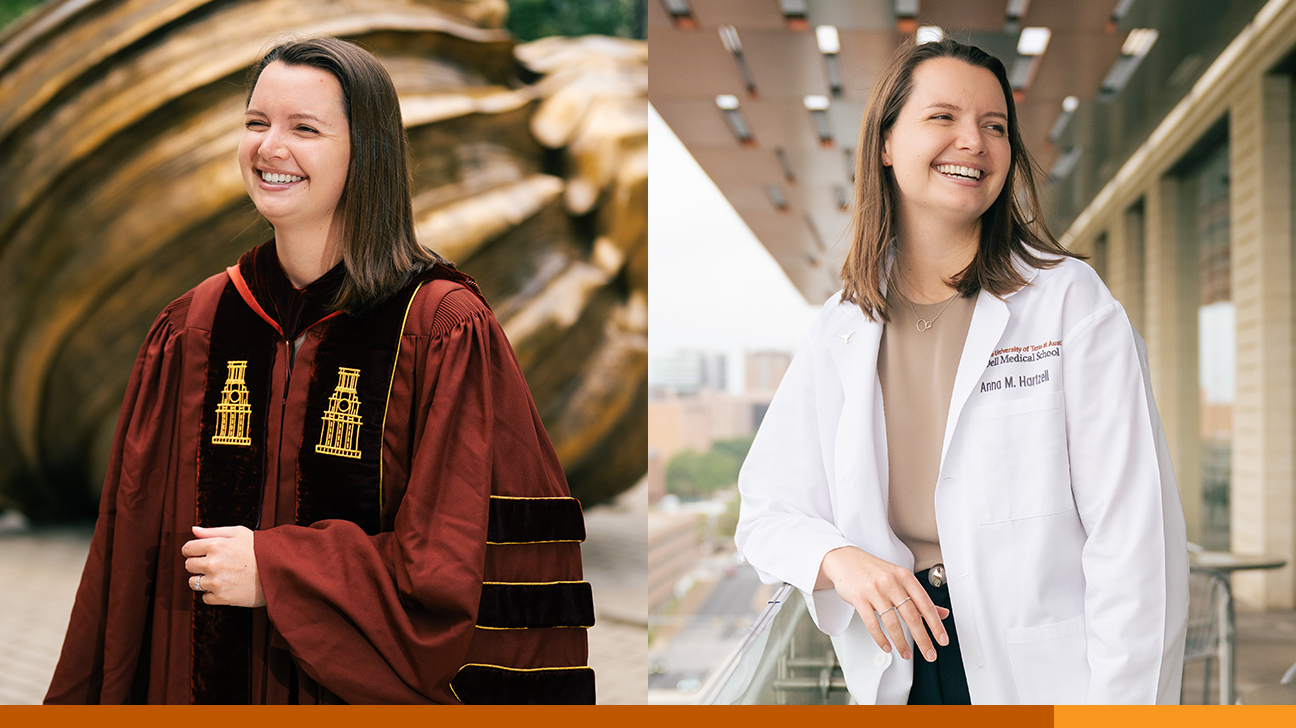
Anna Hartzell, M.D., MBA
Hometown: Austin, Texas
Match result: Orthopedic Surgery, University of Washington
Why orthopedic surgery?
Orthopedic surgery first drew my attention for its blend of anatomy, biomechanics and immediate, tangible impact. As a former collegiate field hockey goalie, I saw parallels — spatial reasoning, pattern recognition and real-time decision-making within a team. As I explored the field further, I saw how orthopedics restores not just mobility but also identity and independence, capabilities central to patients’ lives.
How did your Growth Year shape how you think about patient care?
I chose to pursue an MBA during my Growth Year to better understand how decisions about access, value and leadership are made. I studied health care systems, value-based payment models and the expanding role of private equity in hospital ownership. The experience gave me the technical tools and language to engage with the business and policy forces shaping medicine.
As I enter residency, I don’t expect to be running regression analyses between cases, but I do expect to be a better advocate for my patients. I better understand the financial pressures shaping their care and how to work toward improving those systems.
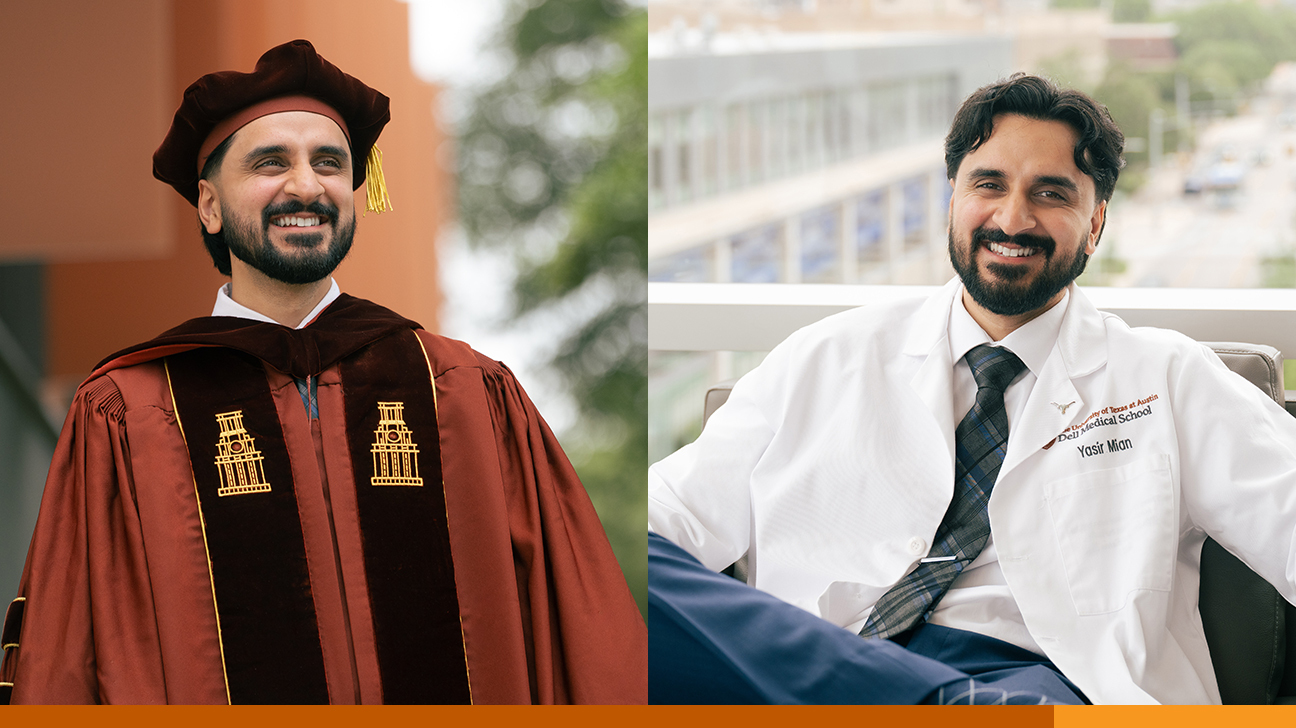
Yasir Mian, M.D., MPH
Hometown: Sargodha, Pakistan
Match result: Interventional Radiology, UT Health San Antonio
What drew you to interventional radiology, and what excites you about being part of its future?
I’m drawn to the field’s unique combination of real-time impact, image-guided decision-making and constant innovation. It allows me to move beyond interpretation of imaging to interventions that can immediately change a patient’s course. I’m excited by the opportunity to help shape how it is integrated into multidisciplinary care and advocate for its role as a clinical specialty.
One experience that stayed with me in medical school was how interventional radiology showed up for other teams — no matter the service, the response was almost always, “Yes, how can we help?” It reflects a patient-centered, team-oriented mindset that I strive to bring to my own practice.
How do humility and kindness shape the way you show up for patients and work within care teams?
Humility goes a long way in building meaningful relationships with patients and colleagues. At this stage, I know enough to appreciate how much I still don’t know and that keeps me grounded.
That mindset helps me show up for patients by really listening and not making assumptions. I’m more likely to ask an extra question or take time to explain things clearly rather than rushing through an interaction. That’s what good care comes down to.
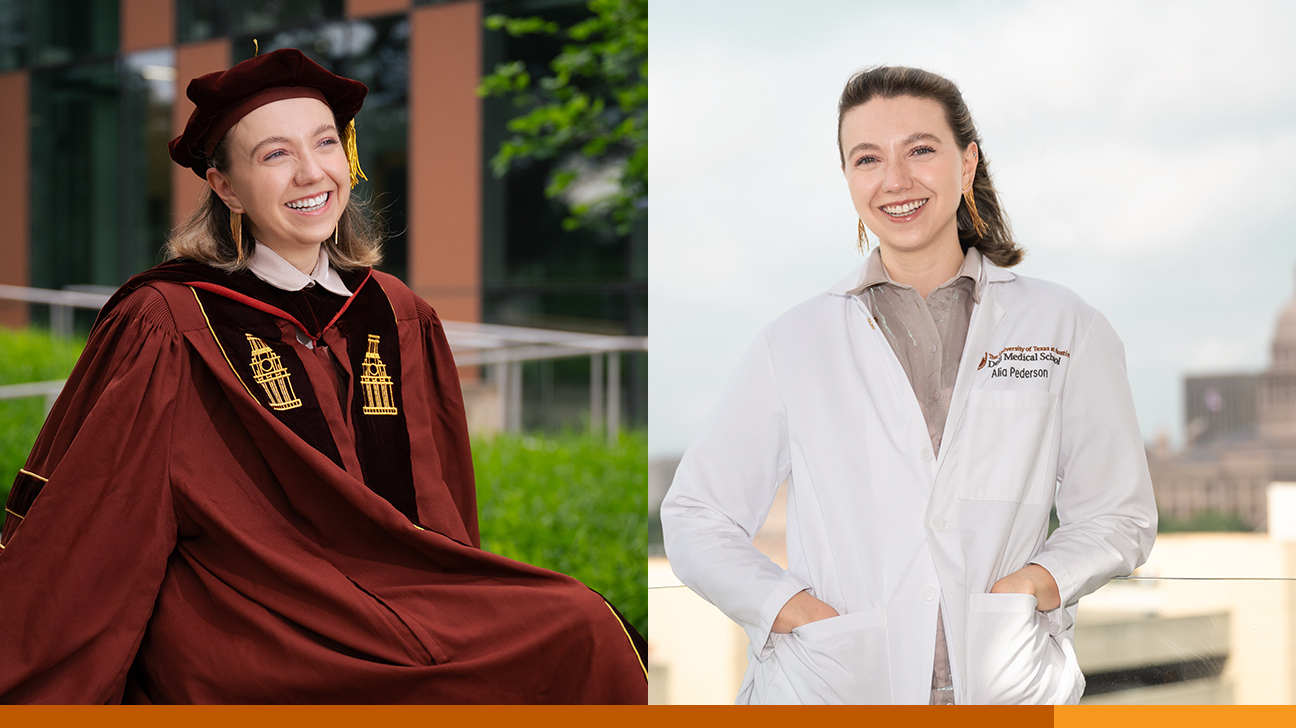
Alia Pederson, M.D.
Hometown: Austin, Texas
Match result: Columbia University/New York State Psychiatric Institute, Psychiatry
Why psychiatry? What impact do you hope to have?
During medical school, I saw firsthand how medicine touches every aspect of our human existence. I see psychiatry as an opportunity to engage directly with that experience — the edges and range of what a person might think or perceive. It’s a privilege to sit with someone in that space and curiosity is essential to doing it well. I get to be a sort of traveler, always with the goal of guiding someone back to an experience of the world that is safe and allows them to live well in an imperfect reality.
On a more practical level, there are not enough psychiatrists. My hope is to increase access to voluntary psychiatric care for populations where stigma is a major barrier. My goal is to run a multidisciplinary center where ideas for low-cost and effective psychiatric and psychological care delivery can be developed and tested in partnership with communities. Much of this care does not need to be delivered by a psychiatrist alone, and expanding access will require approaches that are collaborative and grounded in what people actually need.
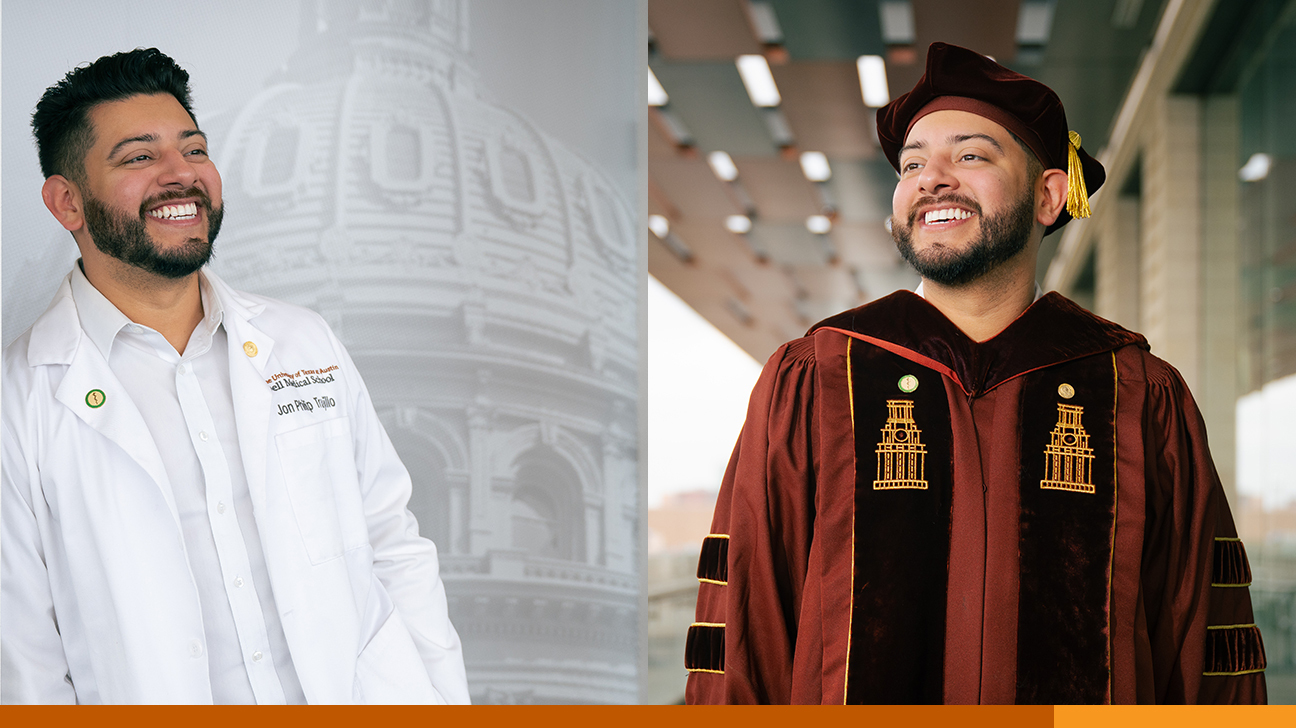
Jon Philip Trujillo, M.D., MBA
Hometown: Natalia, Texas
Match result: Neurology, Dell Medical School
What led you to leave a career at Goldman Sachs to pursue medicine?
Ten years ago, I saw myself climbing the corporate ladder from analyst to managing director, the kind of “M.D.” that comes with a corner office. I’m grateful for that experience. It taught me how to think quickly and work under pressure, but I realized I was building something that looked right more than it felt right.
That changed with a book on evolution that led me to audit an intro to biology class. The more I learned, the more I wanted to learn and at some point, curiosity turned into conviction. With a lot of thought and a bit of naive optimism, I traded my cubicle for a desk.
It may not have made sense on paper at the time, but it does now. Looking back, I’m grateful I still ended up with M.D. behind my name — just in a different font.
Why did you choose to stay at Dell Med for residency, and what excites you about continuing your work in Central Texas?
I knew I would get strong training wherever I went. What kept me here was the opportunity to be part of something still being built. Dell Med offers a rare chance to help shape what the future of health care can look like, especially with the announcement of the new UT Dell Medical Center.
The school has been intentional about bringing in leaders from top institutions who share that vision. I get to learn from the best while also contributing to something new in an environment that values both excellence and innovation. I owe a great deal to Central Texas, and I’m committed to continue my training in Austin, caring for the same community that first cared for me.