Neuroendovascular Fellowship

Providing focused training in neuroendovascular surgery

The Neuroendovascular Fellowship at Dell Medical School at The University of Texas at Austin is a distinguished addition to the programs within Dell Med’s departments of Neurology and Neurosurgery. The two-year fellowship takes place at Dell Seton Medical Center and Ascension Seton Medical Center Austin and welcomes applicants trained in neurology, neurosurgery and radiology.

Fellows receive comprehensive training in the endovascular management of both ischemic and hemorrhagic cerebrovascular conditions, gaining hands-on experience with advanced techniques. They are exposed to a range of complex pathologies and have the opportunity to participate in outpatient neurovascular clinics and manage neurovascular patients in the neuro intensive care unit.

In addition to their clinical experience, fellows engage in research and teaching opportunities, allowing them to further develop their academic and clinical skills in a collaborative care environment. 

The Neuroendovascular Fellowship is affiliated with the Departments of Neurology and Neurosurgery. 

Helpful links
Contact information
Program director

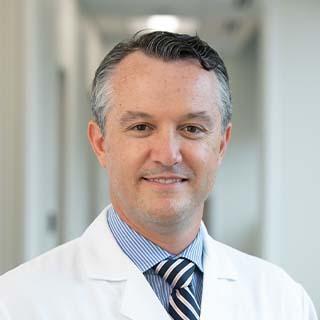
Jefferson Miley, M.D.

Assistant Professor, Department of Neurology

Neurology, Neurosurgery

Training facilities

Learn more and apply: Neuroendovascular Fellowship

A person types on a laptop computer at a wooden desk. Their hands rest on the keyboard while they work or study. A smartphone, tablet, and notebook lie nearby, suggesting a multitasking digital workspace. Warm lighting creates a focused yet comfortable office atmosphere.

About the application process

Applications are currently accepted through direct contact but will be submitted via the Electronic Residency Application Service after May 2026.

A medical professional in a white coat uses a digital tablet at a desk. The person is interacting with the touchscreen, likely reviewing or entering information. Papers and a clipboard lie on the table, suggesting medical records or patient forms. A stethoscope is partially visible, reinforcing the clinical healthcare setting.

Welcome from the director

The program trains fellows as scholars and leaders in shaping the system of care as we know it. Hear from the program director on the robust opportunities afforded to trainees.

The image shows a group of healthcare professionals standing together in a brightly lit hospital corridor. The figures are intentionally blurred, emphasizing the concept of teamwork rather than individual identities. Sunlight streams through large windows, creating a soft, airy atmosphere. The overall scene suggests collaboration, consultation, and modern medical care.

Explore the curriculum

The fellowship offers a well-rounded curriculum that combines clinical rotations, teaching opportunities, conference presentations and dedicated clinical research.

Advancing Care Transformation

Learn to tackle systemic challenges in health and develop your skills as a systems-ready leader, all while completing your residency or fellowship.